


Subcategories
Polar Zone Article Count: 1
Subpolar Zone Article Count: 1
Temperate Zone Article Count: 1
Subtropics Article Count: 1
Tropics Article Count: 1
Miscellaneous Article Count: 17
- Details
- Category: Tropics
Outstanding features of the tropics are the almost constant day length throughout the year, with the sun always high at midday and the annually recurring rainy season. In addition, biodiversity is more pronounced in the tropical regions than in all other climate zones.1)

- Details
- Category: Subtropics
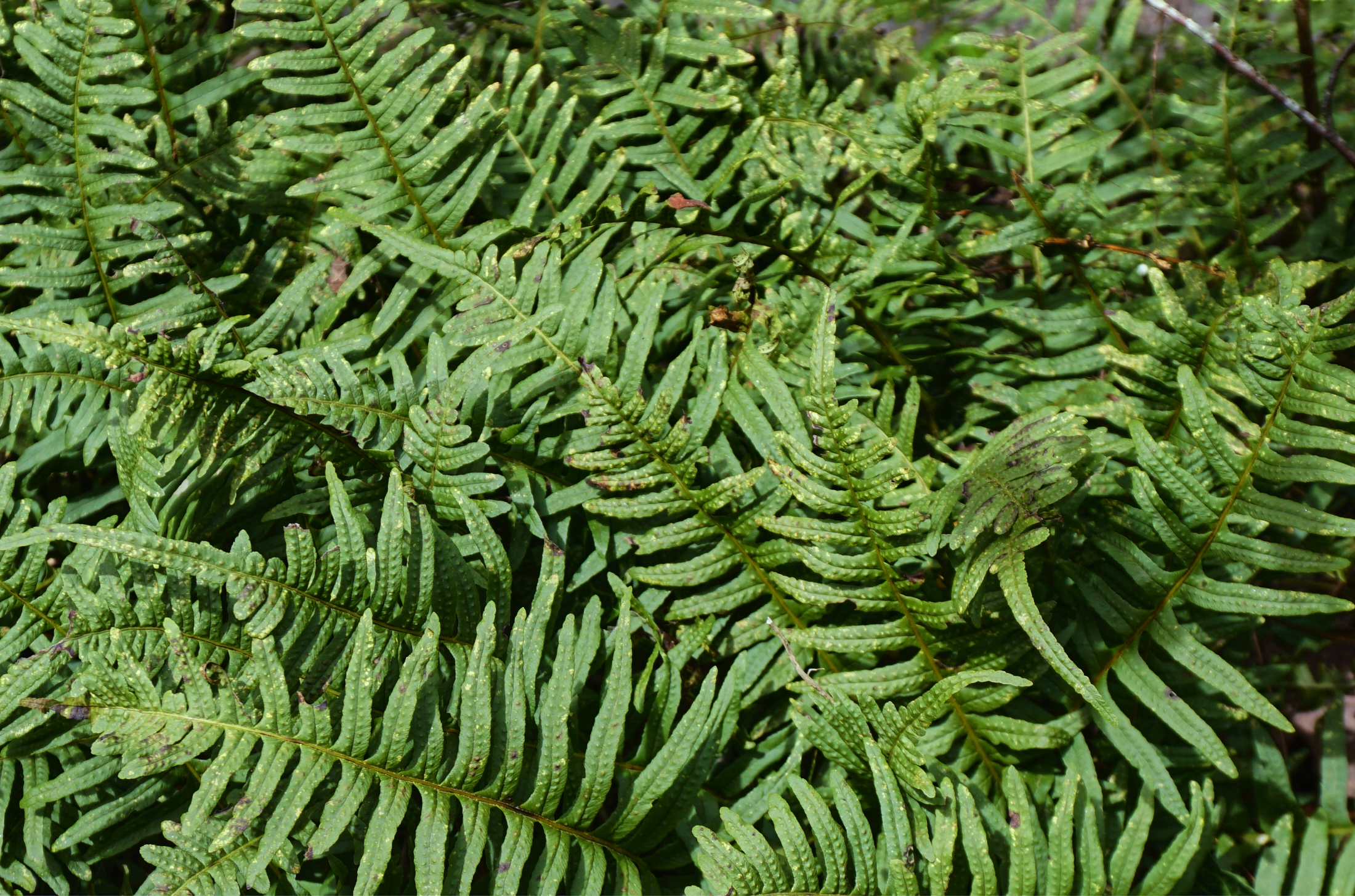
The subtropics lie between the tropics and the cool temperate zones. They are characterised by significant temperature differences between summer and winter as well as between the rainy and dry seasons.
- Details
- Category: Temperate Zone
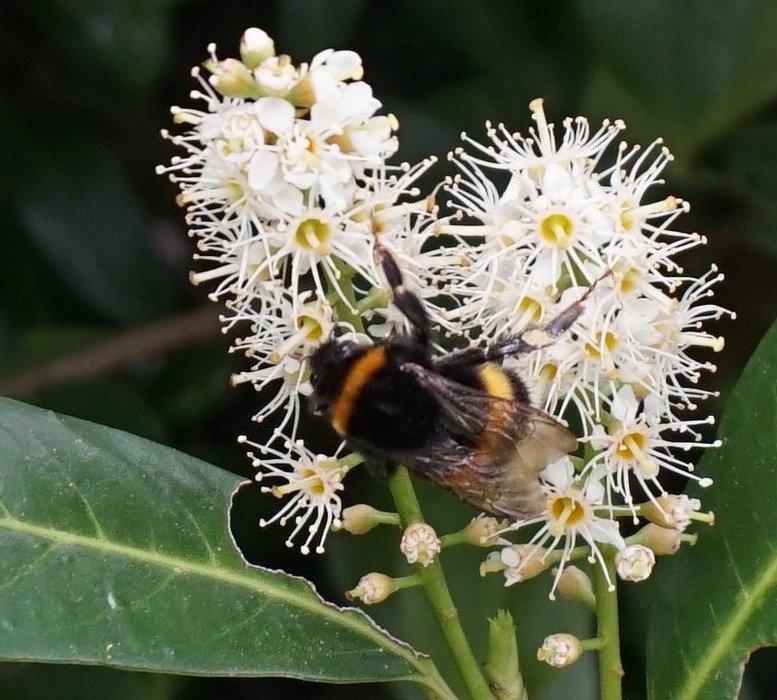
The temperate zone is characterised by the clearly visible and noticeable change of seasons. Hardly any extreme temperatures are measured and precipitation falls throughout the year. In summer as rain or hail, in winter also as snow.
- Details
- Category: Subpolar Zone
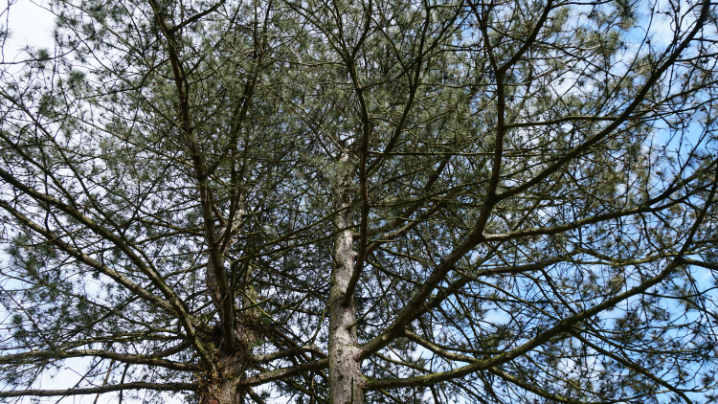
Formally speaking, the subpolar zone forms the transition between the polar zone and the cold-temperate climate zone. In this category, we include the regions with the tundra landscape type, which occurs in almost all high-altitude areas above the tree line due to the climatic conditions, but also include the cold-temperate zone of boreal coniferous forests.

- Details
- Category: Polar Zone
The polar zone refers to the regions in the far north and south of the globe, namely the Arctic and Antarctic. The polar regions are characterised by long, very cold winters with permanently glaciated regions, ice deserts and permafrost soils with several months of prolonged darkness.
- Details
- Category: Miscellaneous
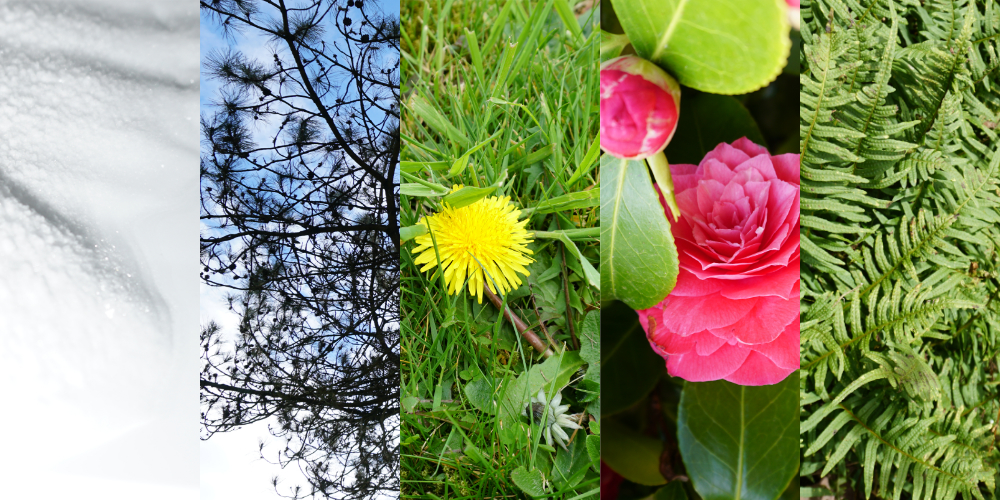
We talk about climate zones because national borders are man-made. And since flora and fauna are demonstrably not bound to these in their growth and spread, we organise our research trips roughly according to the five main climate zones, which are distinguished from each other by similar geophysical conditions (e.g. amount of solar radiation, air temperature):

- Details
- Category: Miscellaneous
As a food scientist, I am interested in the production of our food and I have already got to know some food and food production companies "from the inside".
In Germany, there are two terms for what we eat that are often used interchangeably. "Lebensmittel" and "Nahrungsmittel".